


Expand and Deliver Conservation Funding
Without resources for staffing and distribution, critical programs stall and America’s producers are left behind. We’re advocating for the long-term protection of conservation funding and increased capacity to deliver it—ensuring dollars actually reach farmers on the ground.
Our Goals
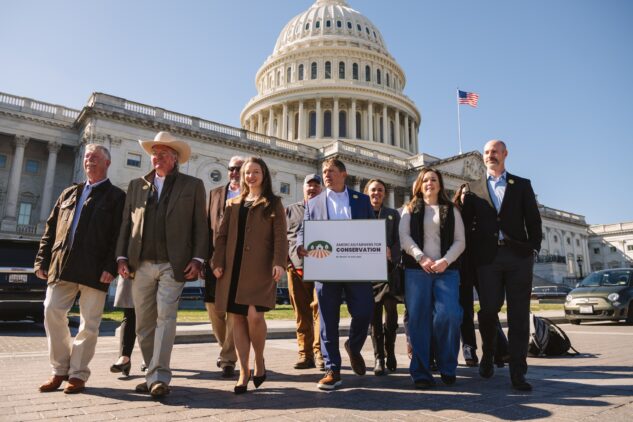
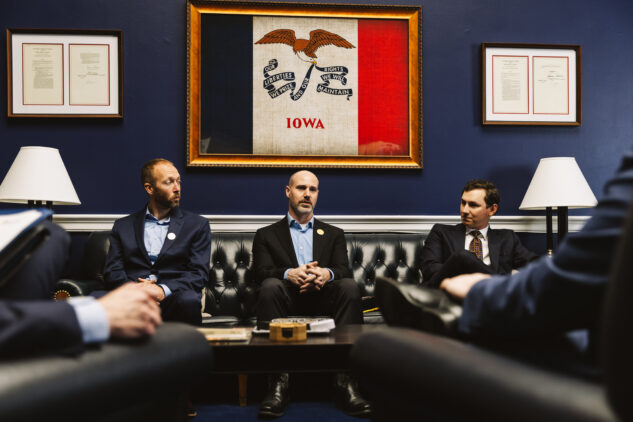
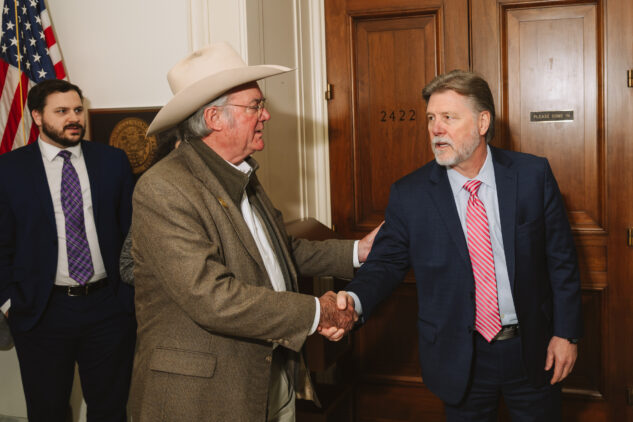
Invest In Our Land is bridging the gap between policymakers and farmers to ensure vital conservation funding gets into the hands of the hardworking farmers who need it.

Increase federal funding for agricultural conservation

Make sure the conservation programs farmers rely on actually work

Build awareness and producer demand for conservation practices
Conservation Funding: By the Numbers


The State of Conservation Funding
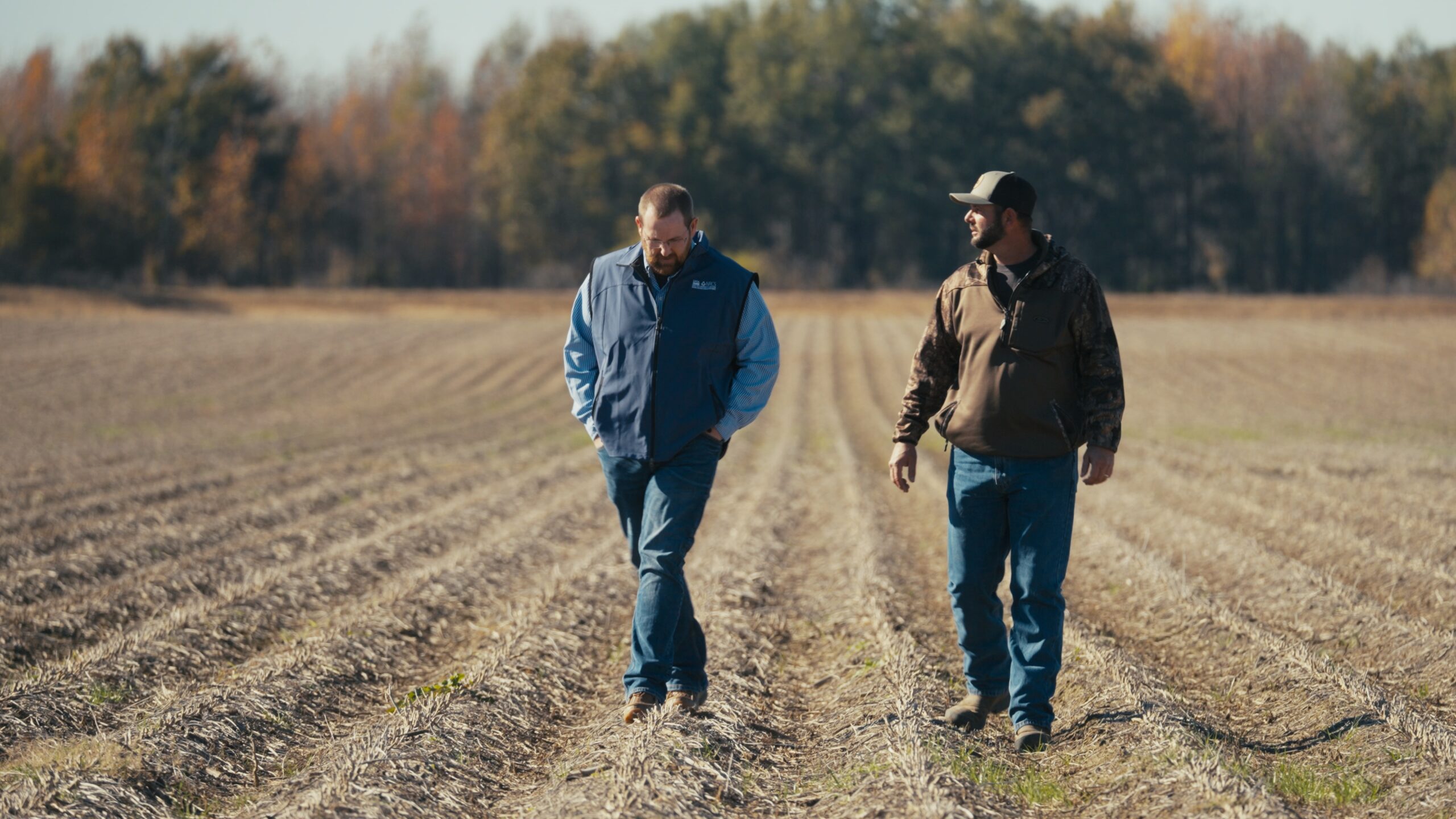
Conservation has long been one of the most bipartisan parts of the Farm Bill. In 2025, Congress moved historic conservation funding into the long-term Farm Bill baseline, so farmers could count on programs like EQIP and CSP through 2031. That commitment is now at risk. The Farm Bill approved by the Senate Agriculture Committee in September would cut EQIP by nearly $2 billion over four years to pay for other priorities, which by the University of Illinois’ estimate could leave more than 56,500 valid farmer applications unfunded. The House-passed bill would move roughly $1 billion out of EQIP in the near term. Demand is already far ahead of funding: in fiscal year 2025, only 24 percent of EQIP applications resulted in a contract, down from 43 percent the year before. And these programs are only as strong as the people who deliver them: NRCS lost 23 percent of its staff between January 2025 and January 2026, and 141 counties lost every NRCS employee they had.
The Farm Bill extension expired on September 30, and Congress returns after the November elections facing a December 11 funding deadline. Our ask is simple: protect core conservation programs like EQIP, and make sure NRCS has the staff to put those tools in farmers’ hands.

– Grady Heitmann, Heitmann Family Ranch, South Dakota“Conservation programs help keep American agriculture competitive…We want food security and I want to protect that.”





Policy News
USDA Adds $300M to Regen Ag Program
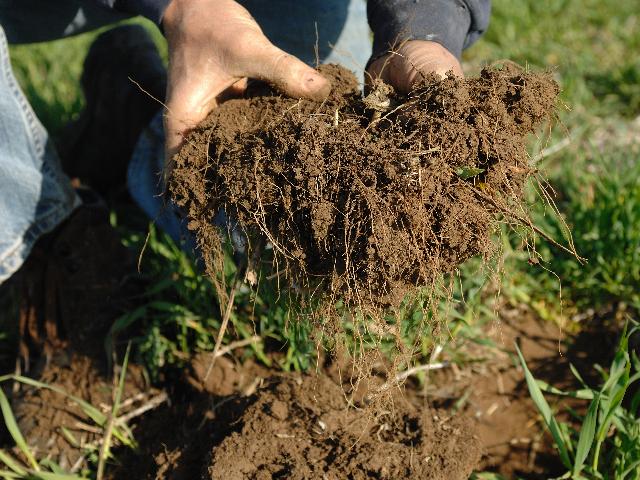
WASHINGTON (DTN) — USDA is putting another $300 million into its Regenerative Pilot Program (RPP) in fiscal year 2027, bringing total funding for the program to $1 billion as the agency expands a conservation initiative focused on soil health and whole-farm regenerative practices. The program operates through the Environmental Quality Incentives Program (EQIP) and Conservation
Read More USDA Adds $300M to Regen Ag Program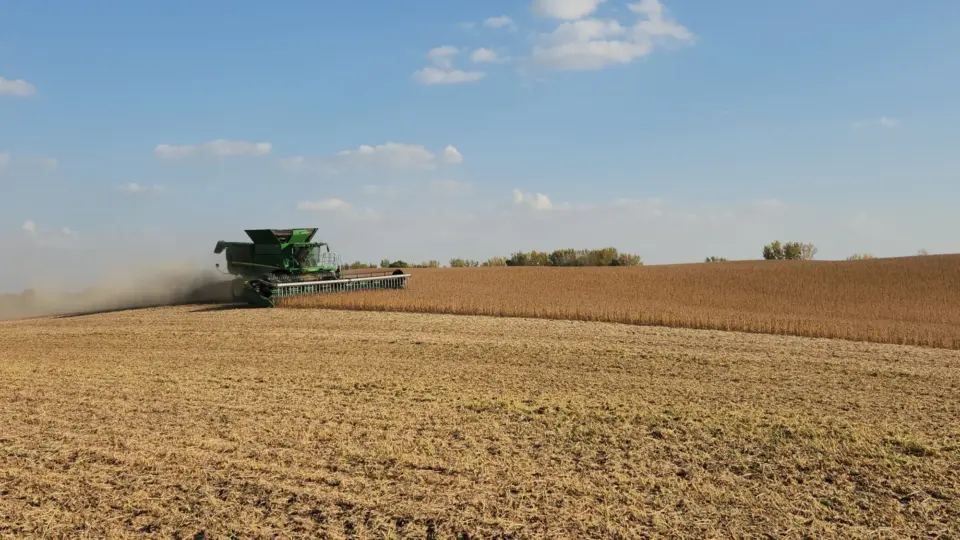
Op-ed: Washington is cutting the conservation programs that gave me a start in farming
By Gabe Arveson of Trail, Minnesota | I’m 23 years old, and I raise soybeans, spring wheat, oats and a small herd of beef cattle near Trail, in northwest Minnesota. I love being a farmer. But keeping a farm going is another thing entirely when you’re just starting out. One reason I can is that
Read More Op-ed: Washington is cutting the conservation programs that gave me a start in farming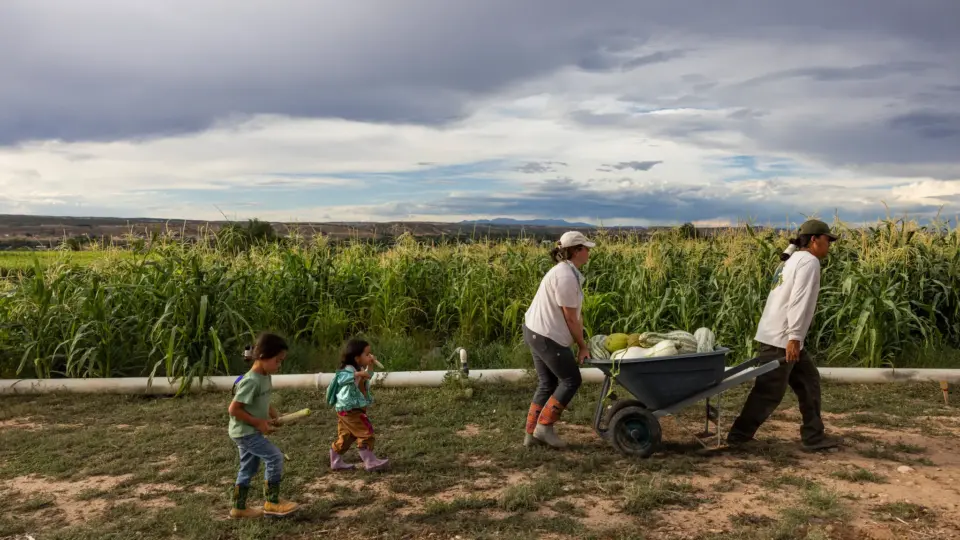
Farmers Struggle to Get Basic Services From Depleted Agriculture Department
After the departure of thousands of federal workers, rural communities report problems obtaining loans, grants, technical assistance and support for infrastructure and other services.
Read More Farmers Struggle to Get Basic Services From Depleted Agriculture Department